The Decades of Queer Fashion History
The art of fashion has long been shaped by people willing to push boundaries and challenge expectations. Long before fashion was about trends that quickly hit the runways and retail stores, queer communities have turned to fashion for self-expression, creativity, resistance, and visibility.
Style is, and has continued to be a way to communicate identity in a world that often demands conformity. Through underground scenes, nightlife, everyday self-presentation, and even through art and music, LGBTQ+ individuals have pushed culture forward.
In other words, the history of fashion cannot be told without queer influence.
1910-30: Quiet Rebellion
During this period, queer fashion was quiet and subtle. Strict gender norms shaped the way people were expected to behave and present themselves. Even within those limitations, queer communities found ways to express themselves through fashion.
In cities like Paris, Berlin, and New York City, underground queer spaces began to be places where fashion experimentation thrived. Menswear-inspired womenswear, dramatic eveningwear, and avant-garde styling challenged traditional ideas about gender presentation.
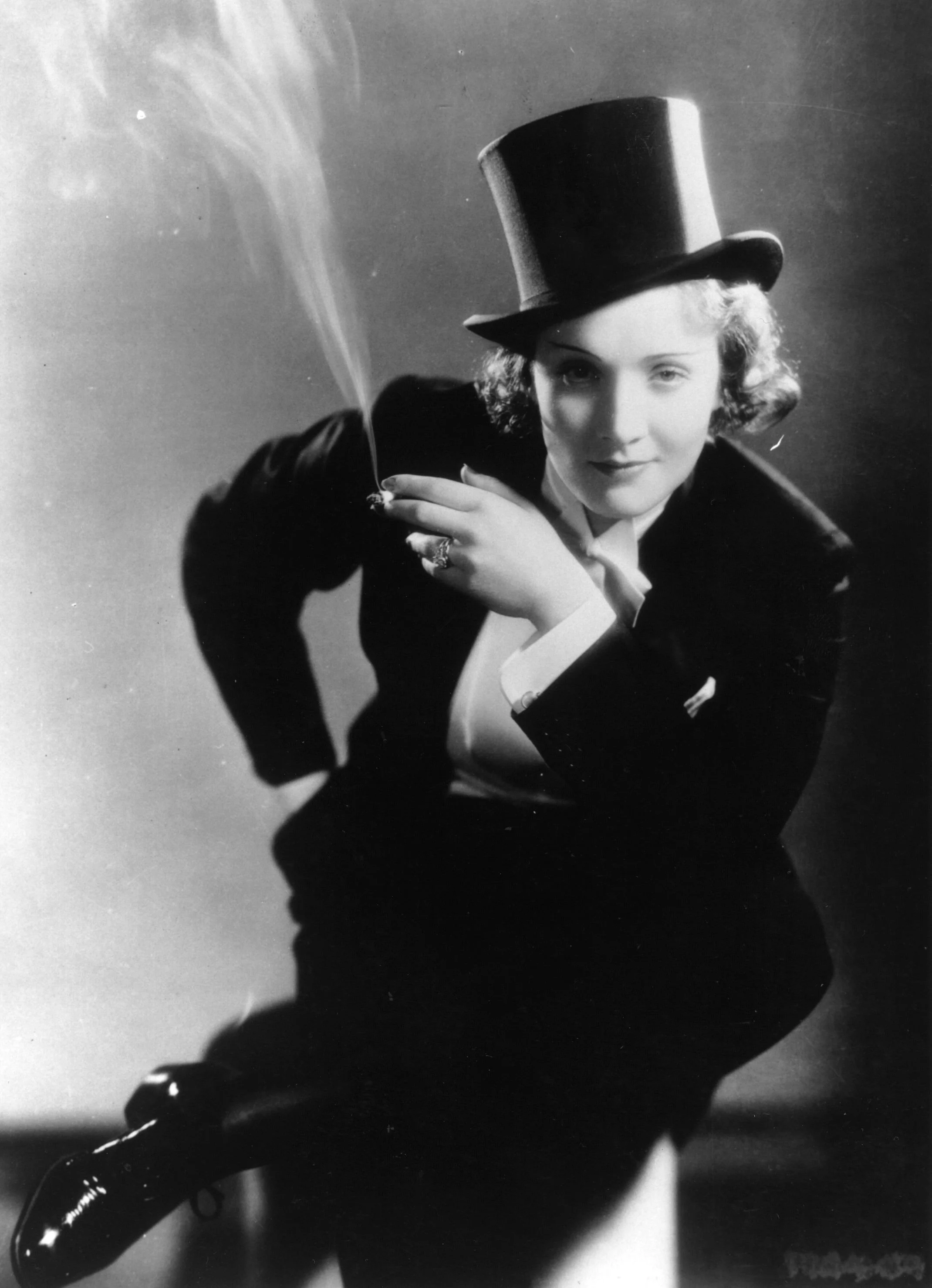
Icons like Marlene Dietrich were famous for breaking gender norms through style. Famously wearing tuxedos, and masculine tailoring during the time when it was very controversial for women to even be wearing pants…wild.
Even when visibility was limited, fashion was still used as a quiet act of rebellion.
1940-60: Glam and Gay
As Hollywood, nightlife, and entertainment industries expanded, queer influence on fashion became more visible, although still not always openly acknowledged.
Drag performance, costume design, and underground creative communities helped shape beauty, culture, and theatrical fashion aesthetics. Style often existed in coded ways, small details in clothing, grooming, or accessories could signal identity and community to others.
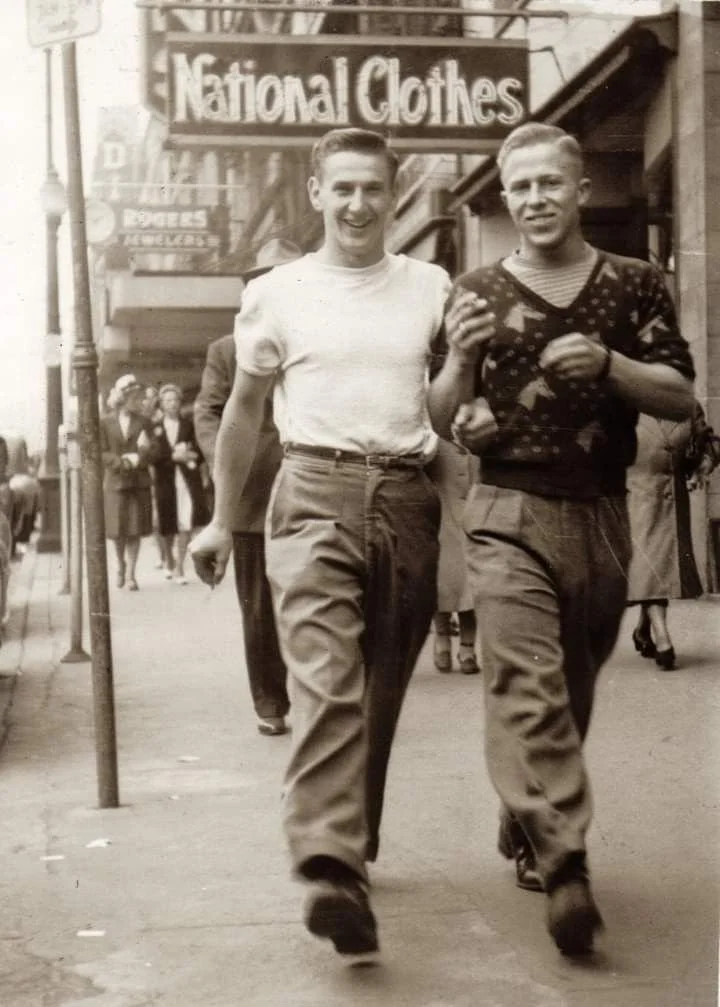
Lavender and violet historically carried queer connotations, which were amplified in the 1950s due to the heavy government targeting of queer federal employees. For gay men, a roll in the pant cuff or a specific cut of a tie served as a secret nod to others in the know.
Most common in underground bars and nightlife scenes, fashion helped people recognize one another while navigating a society where openly expressing queer identity could still be potentially dangerous.
Fashion was both escape and expression, almost like a way to imagine freedom before society fully allowed it.
1970-90: Stonewall was a Riot
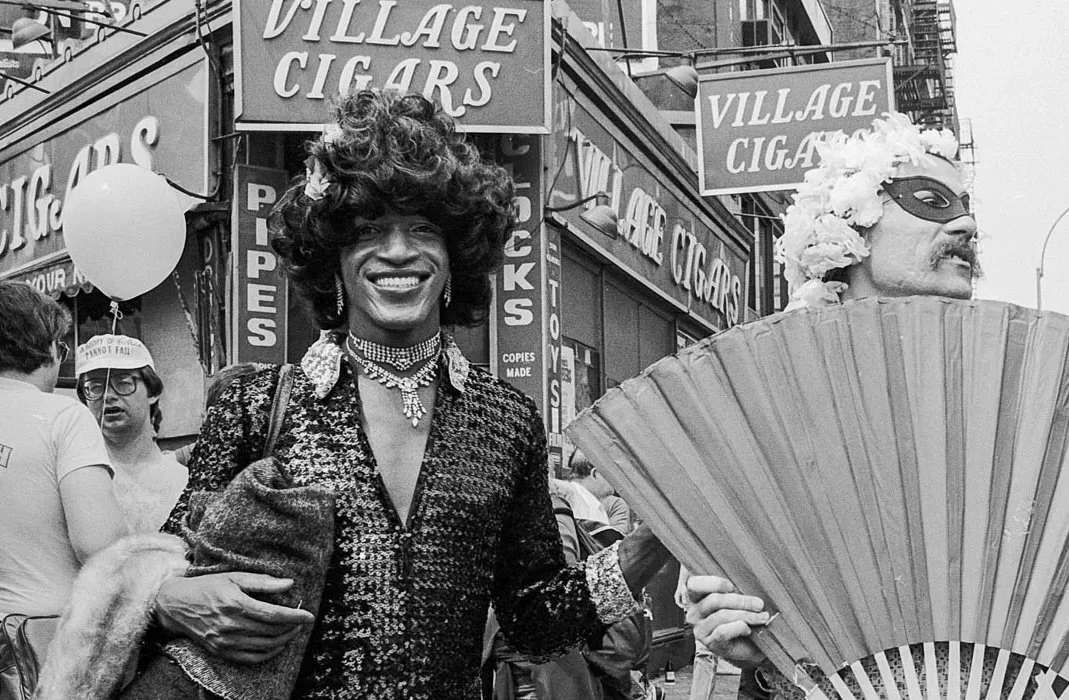
The late twentieth century marked a major shift in queer visibility and fashion culture. Following the Stonewall Riots, fashion became increasingly tied to liberation, protest, and self-definition.
The 1970s brought disco, glam rock, leather culture, and bold experimentation with gender presentation. In the 1980s and 1990s, queer influence exploded across music, nightlife, editorial fashion, and street style.
Ballroom culture was created primarily by Black and Latino LGBTQ+ communities in New York City, these underground communities transformed fashion and performance culture through styling, movement, and self-made luxury. Its influence can still be seen today across runway fashion, pop culture, social media trends, and even made mainstream by shows like Rupaul Drag Race.
Artists and cultural figures like David Bowie, Prince, and Madonna helped push fashion toward greater experimentation with gender, silhouette, and performance.
Queer communities were finally participating in culture openly, and creating their own space within it.
Modern Day- We are Here, and we are Queer!
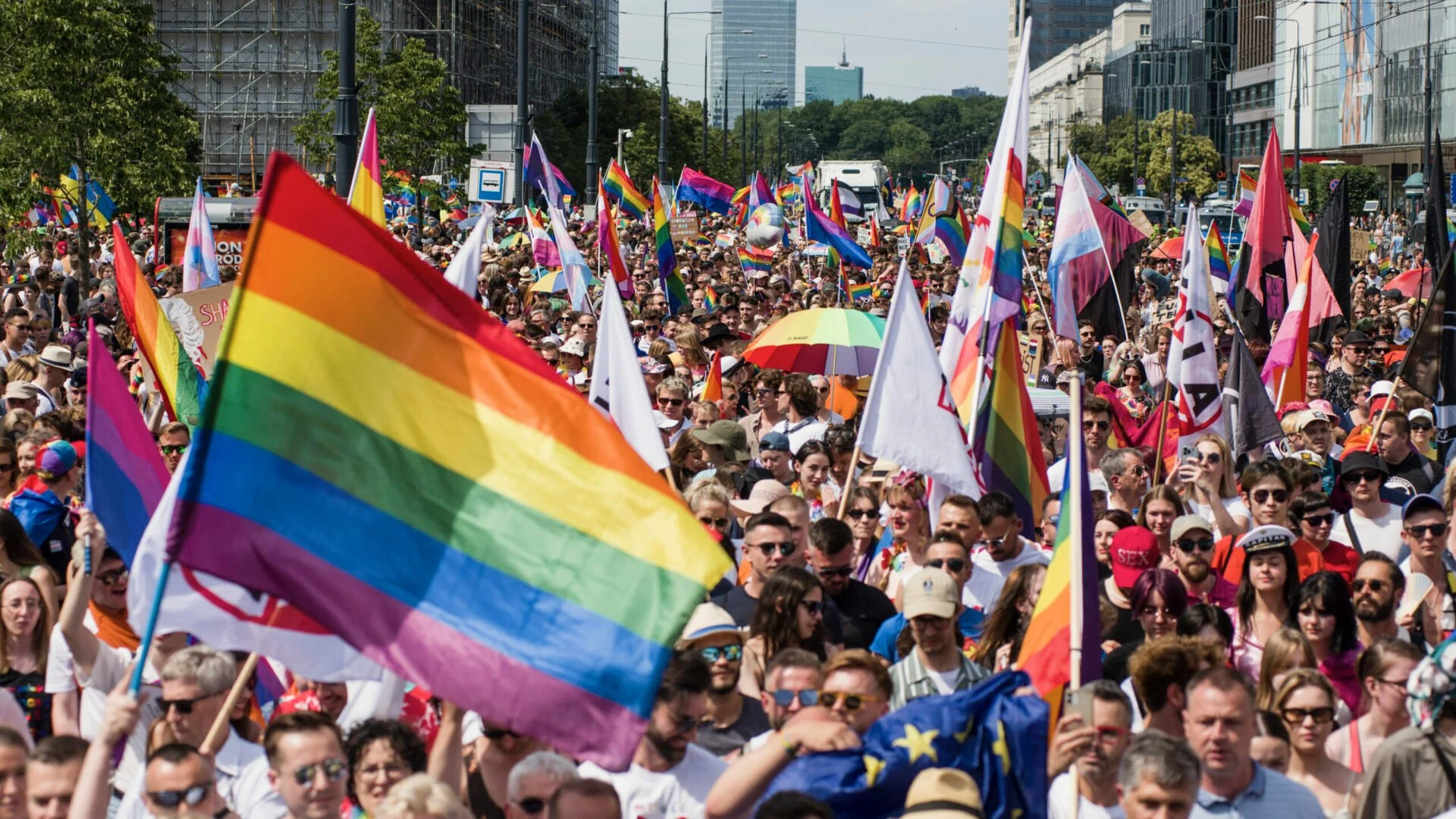
Today, queer influence is everywhere in fashion. From luxury runways to independent brands, social media aesthetics, and streetwear. Conversations around gender-neutral fashion, self-expression, inclusivity, and identity have become essential to the industry.
Designers, stylists, photographers, performers, and creatives across the LGBTQ+ community continue shaping how fashion looks, feels, and the story it tells.
But beyond trends, queer fashion history reminds us that clothing has always carried meaning. Fashion can communicate identity before a word is spoken. It can create visibility, confidence, community, and belonging.
At its best, fashion allows people to express not only who they are, but what they care about, question, celebrate, and resist. In many ways, clothing helps us make meaning in the space between ourselves and the world around us.